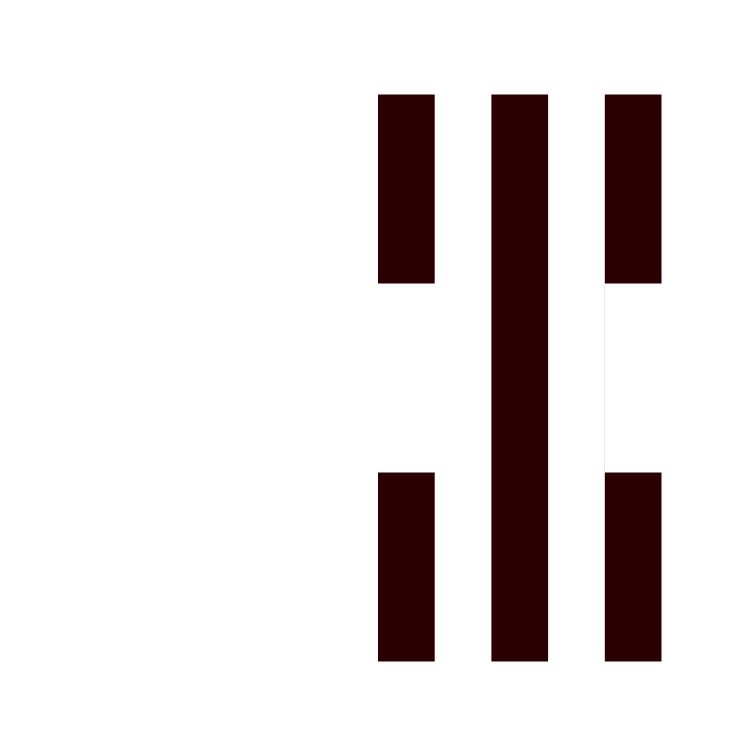
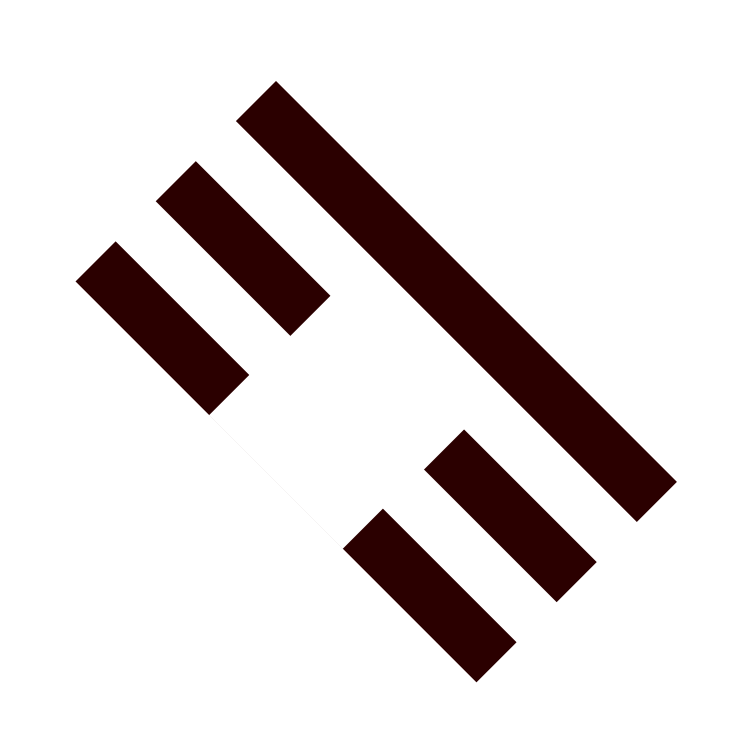
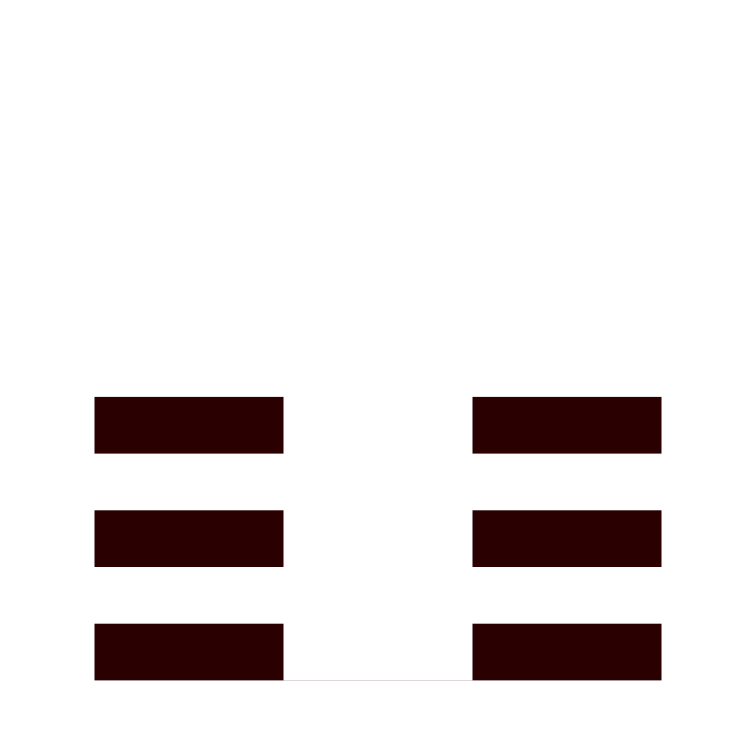
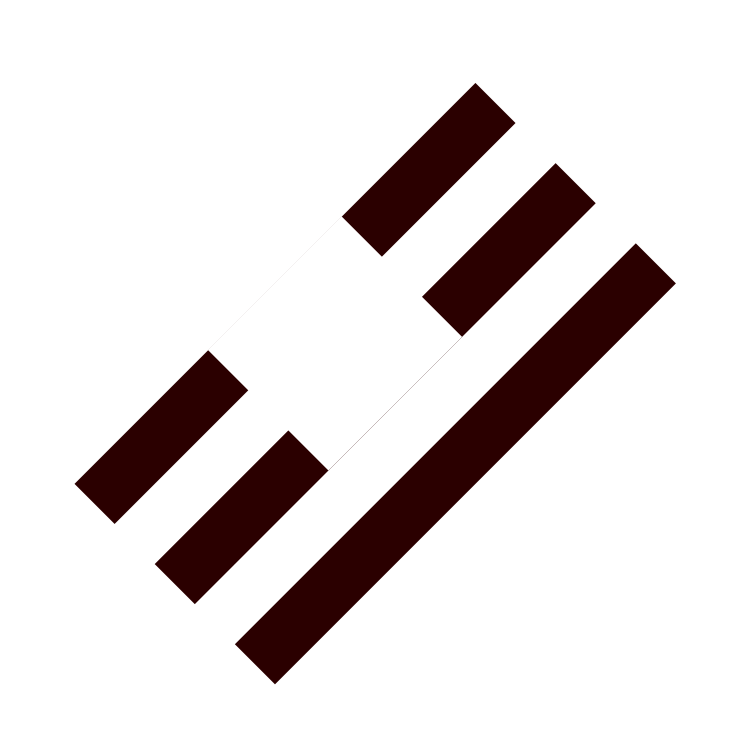
The solid and broken bars in the eight image tiles in the top navigation are called
trigrams. The octagonal trigram pattern is a common symbol for the Chinese term Bagua. The pattern has eight (ba) areas (guas). "South" is always found at the top of the Bagua. Each trigram represents a particular natural phenomena:
Sky ☰,
Lake ☱,
Fire ☲,
Thunder ☳,
Wind ☴,
Water ☵,
Mountain ☶,
Earth ☷. If you click on a
trigram, it will take you to the corresponding taekwondo form page. Each form has a trigram which I describe scientifically and call scigrams. The
tangram animation in the middle of the
trigram tiles is supposed to represent a kicking woman. A
tangram is a puzzle which originated in China. It is created out of seven flat polygons that can be put together to form shapes.
The movements are listed here so that you can see the Korean translation for some of the techniques by hovering over the green and pink highlighted text. In order to print the directions clearly, deselect print background graphics.
trunk reverse punch ?The sides of the forward leg and the punching arm are the same. - momtong pandae chirugi
parallel stance - naranhi sogi
left/right front stance, walking stance - oen /orun ap sogi
left/right forward stance The feet are wider apart than for the front stance - oen /orun ap kubi
low block - arae makki
inside block (from inside to outside) - an makki
high block/face block - eul gool makki
front kick - ap chagi
high punch/face punch - eul gool chirugi
return - parot
middle punch - momtoong chirugi
| Stance | Movements | Poom |
|---|
| Chunbi | | |
| parallel stance | | (1) |
walking stance,
forward stance | Turn 90° to the left, left low block in walking stance, right middle punch in right forward stance. | (1), 2 |
walking stance,
forward stance | Turn 180° to the right, right low block in walking stance, step forward left side, left middle punch in left forward stance. | 3, 4 |
| walking stance | Turn 90° to the left, right inside block in walking stance, step forward left side, left inside block in right walking stance. | 5, 6 |
walking stance,
forward stance | Turn 90° to the left, left low block in walking stance, right front kick, right high punch in right forward stance. | 7, 8 |
walking stance,
forward stance | Turn 180° to the right, right low block in walking stance, left front kick, left high punch in left forward stance. | 9, 10 |
| walking stance | Turn 90° to the left, left high block in walking stance, right leg forward, right high block in walking stance.
| 11, 12 |
| walking stance | Turn 270° to the left, right inside block in walking stance. | 13 |
| walking stance | Turn 180° to the right, left inside block in walking stance. | 14 |
| walking stance | Turn 90° to the left, left low block in walking stance. | 15 |
| walking stance | Front kick, middle punch same side, right. | 16 |
| walking stance | Front kick, middle punch same side, left. | 17 |
| walking stance | Front kick, middle punch same side, right. | 18 |
| parallel stance | Return. Turn 180° to the left moving left foot. | Kuman |
|
Learn just enough Hangeul to complete a crossword puzzle! |
|
|
|
|
Lesson 2
Taegeuk Ee Jang, Only One New Technique
| Useful words |
|
|
| dobok, dubok, tubok |
도복 |
uniform |
| dojang, to jang |
도장 |
martial arts school |
| gam sa hab nida |
감 사 합 니 다 |
thank you |
| keeyup, kiyap, ki hap |
기합 |
loud shout |
| kyong nye |
경 례 |
bow |
| kup |
급 |
color belt |
| parot |
바로 |
return |
| poom, pom |
범 |
black belt ranking |
| poomse, pumse, poom sae |
폼세 |
form, pattern |
| sa bum nim, sabom nim |
사범 님 |
instructor, sir |
| ye, ne |
네 |
yes |
| anio |
아니요 |
no |
| Punches, Strikes, Thrusts |
치기, 찌르기 |
chigi, chirugi |
| eulgool pandae chirugi |
얼굴 반대 찌르기 |
Reverse high punch – The sides of the forward leg and the punching arm are the same. |